Mitigating Extreme Heat in the Mountain Empire
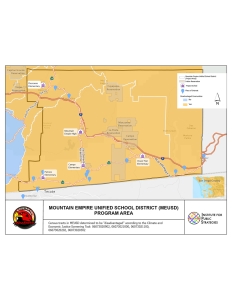
IPS has partnered with the Mountain Empire School District in southeastern San Diego County to develop a comprehensive, community-driven plan for addressing extreme heat-related issues within the rural communities of Tecate, Potrero, Campo, Boulevard, Live Oak Springs, Boulevard and Jacumba Hot Springs. All of these communities fall within census tracts that have been deemed “disadvantaged” by one or more State of California agencies, are eight miles or closer to the U.S./Mexican Border and adjacent to Las Colonias census designated areas in Imperial County.
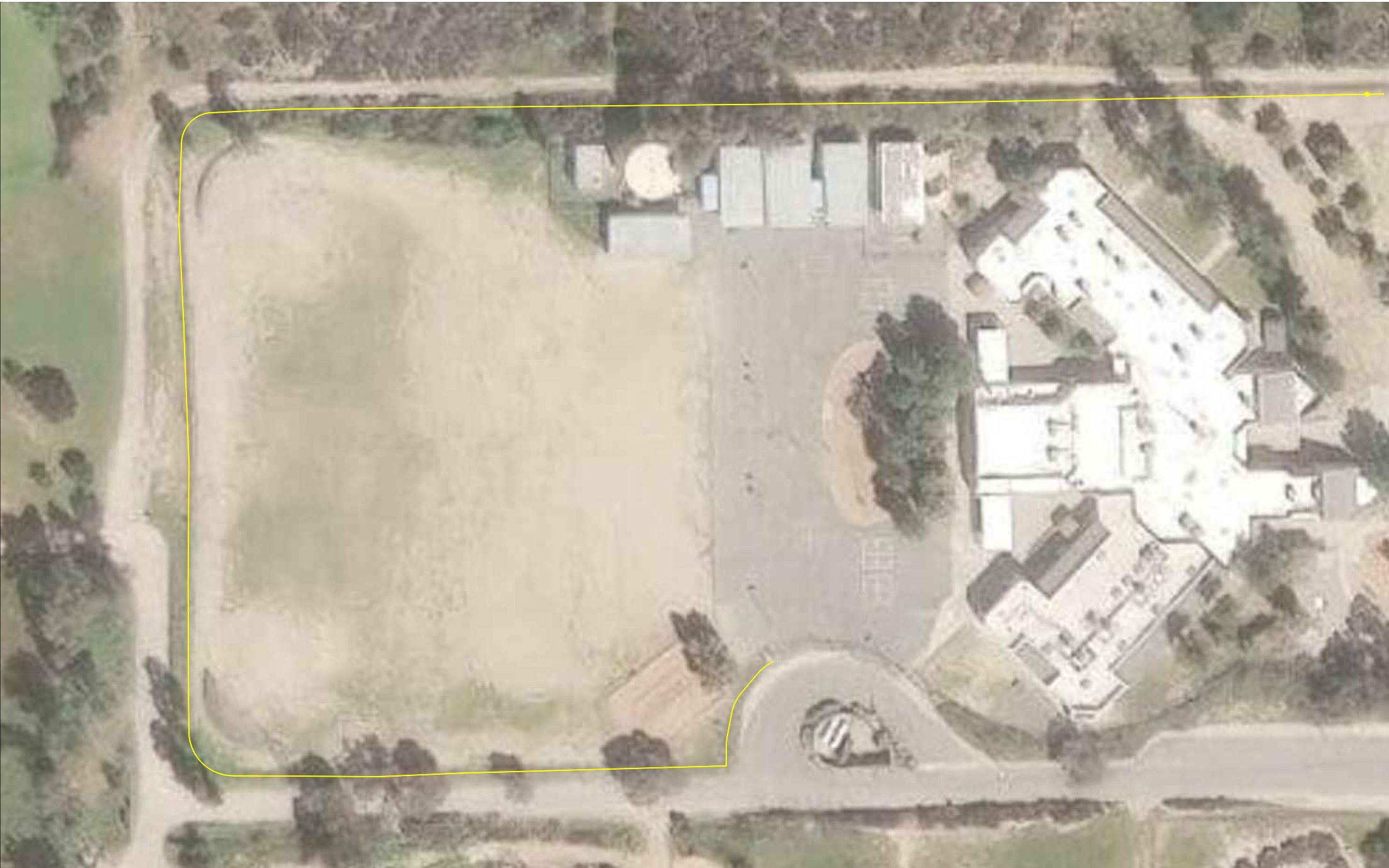
The project centers on planning for a 2.34-acre underdeveloped school field adjacent to Campo Elementary School, where students currently play without shade or amenities. Using our expertise in community organizing and the Community-Based Participatory Action Research (CBPAR) model, IPS facilitates listening sessions, monthly planning meetings, and stakeholder interviews that engage local residents, tribal leaders, students, school staff, and community organizations as active participants, not just recipients, of the planning process.
Through this approach, community members become “citizen scientists,” gathering and analyzing data about extreme heat impacts in their neighborhoods and developing expertise based on their lived experiences. The planning process a ddresses multiple community priorities simultaneously: reducing extreme heat exposure for students and staff, creating recreational space with adequate shade, and improving the site’s capacity to serve as a wildfire evacuation shelter. By integrating green infrastructure solutions—such as tree canopy expansion, cool surfaces, and water-wise landscaping—the plan will provide immediate heat relief while building long-term community resilience to climate change.
Beyond producing a site-specific plan, this project builds lasting capacity within the Mountain Empire communities to understand climate impacts, engage in collaborative problem-solving, identify funding sources, and advocate for climate adaptation measures. The extreme heat planning project demonstrates how IPS’ 30+ years of experience in behavioral health and community organizing translates powerfully to environmental justice and climate resilience, addressing today and tomorrow’s most complex challenges through community-driven solutions rooted in equity and local knowledge.