
Loosening Alcohol Laws to Revitalize Your City’s Economy is a Mistake
As seen on SmartCitiesDive.com
By Dan Skiles
Cities must keep our public spaces alcohol-free to preserve health and safety, warns a policy consultant for a public health organization.
“What America needs now is a drink,” President Franklin D. Roosevelt reportedly said in 1933 upon the repeal of Prohibition. Causing a surge of customers to bars, the repeal helped pull the United States out of the Great Depression, some say, by increasing tax revenue from alcohol sales and creating jobs in bars and breweries. While that idea seems a bit farfetched, cities across the country are now looking for a similar boost from alcohol by allowing people to drink in public spaces to restore their flagging economies.
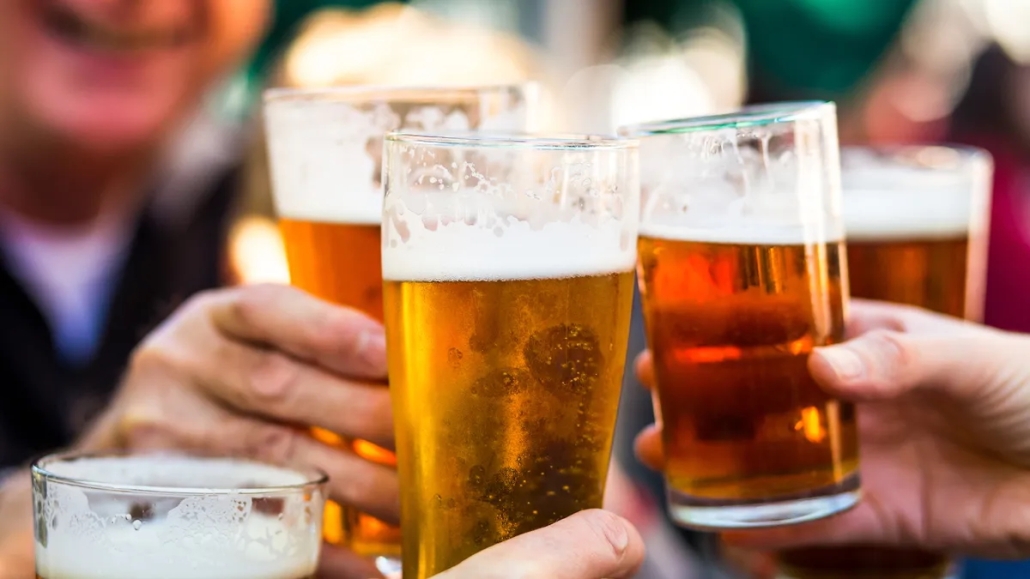
San Francisco is the latest city to jump on the bandwagon, this summer announcing it will establish “entertainment zones” where people can take their drinks outside during special events. A new state law authorizes the establishment of such zones. As long as they purchase their libation at a nearby bar or restaurant, during a special event, people in such zones who are over 21 could legally stroll down the sidewalk while sipping a martini, stand on a street corner and chug a beer, or just sit on a park bench and drink, without even having to hide the beverage in a brown paper bag.
According to public officials, relaxing public drinking laws can increase foot traffic in downtown business districts. That will help revitalize the economy, which took a big hit after the onset of the COVID-19 pandemic. It has worked in other states, they claim. In North Carolina, for example, some cities allow people to shop while drinking, although any business can opt out by placing a sticker on its doors indicating alcohol is not allowed inside.
The impetus for such changes came from the COVID-19 lockdown. Facing restrictions on indoor gatherings, small businesses like bars and restaurants struggled to stay open. To help them survive, many states rolled back alcohol regulations, allowing businesses to sell carry-out cocktails. Some 31 states eventually passed such laws, calling them temporary relief measures that would be suspended when the crisis had passed. But as takeout alcoholic beverages became popular among some groups of consumers, many states ended up making the laws permanent.
These policies represent one of the biggest changes to liquor laws since the end of Prohibition nearly 100 years ago. Since that time, governments have established alcohol-control measures including restrictions on legal drinking age, hours of sale, number of alcohol retailers allowed in a geographic area, drinking while driving and, yes, drinking in public.
In retrospect, it seems clear that the adoption of such common-sense controls, rather than a complete ban on alcohol, is how alcohol-related problems should have been addressed in the first place. Eliminating any of these controls should raise red flags, but few members of the communities where these restrictions are rolled back seem to be worried about negative consequences. Indeed, San Francisco is acting as if there aren’t any downsides to the change, touting in its downtown revitalization plan how vibrant and prosperous the city will become when the changes have been implemented.
But the facts tell a different story. Studies have shown that when an area has more alcohol establishments, it is also more likely to see increased levels of violence and disorder. “On-premise” locations for alcohol consumption, such as bars and clubs, typically are associated with more aggravated assaults in the surrounding neighborhood. It makes sense, then, that research shows entertainment districts are associated with more alcohol-related harms.
According to a review of multiple research studies, availability of alcohol is what generates these kinds of problems. Thus, expanding public drinking can only make matters worse. State laws allowing businesses to sell cocktails to go have sparked concerns from law enforcement officers about increased underage drinking, driving while intoxicated and domestic violence.
Over time, community conditions may worsen and become more widespread, Toben Nelson, a University of Minnesota professor of epidemiology and community health, told me. “Anytime you have alcohol concentrated in a small area, there will inevitably be more violence and crime, which has the potential of spilling over into neighboring communities,” he said.
And once crime takes hold, a nightmare scenario can follow. Fearing they may become victims, many people start avoiding the area, causing the non-alcohol-based businesses to lose their customer base. Forced to relocate, they are often replaced by more bars and clubs, the only businesses that can survive in that kind of atmosphere. Then as trash, noise, public drunkenness and other nuisance-related activities escalate, the entire region is drawn into a downward spiral of urban blight and economic decline.
That’s the bottom line: Subsidizing public drinking may be a quick and dirty way to bring in some cash, but it has a steep downside. As Nelson put it, “When policymakers tout the economic benefits of public drinking, they are completely ignoring the costs, which far outweigh the benefits.”
Let’s urge our cities not to make that mistake. Instead, let’s encourage them to preserve the health and safety of neighborhoods by keeping the streets alcohol-free.


