As 2024 Ushers in a New Silent Opioid Epidemic, Securing LGBTQ+ Spaces is the Answer
As seen in WeHo Times
In the shadows of the ongoing opioid crisis that continues to grip our nation, a new silent epidemic has emerged that has gone virtually unnoticed. While the opioid epidemic has commanded national headlines and sparked urgent conversations about substance use disorders and treatment, the LGBTQ+ community continues to remain shrouded in silence – left in a battle to combat this crisis alone. Homophobia today contributes to more overdoses than ever before and our divisive politics stand in the way of saving the lives of our LGBTQ+ neighbors.
The tragic reality is that homophobia in our country continues to persist on a regular basis. The stigmatization and discrimination faced by LGBTQ+ individuals often leads them to adopt unhealthy behaviors to cope – many of which predisposes them to a long-term struggle with substance use disorders. In 2020, LGBTQ+ individuals were found to use substances at nearly double the rate of the overall population. Consequently, LGBTQ+ individuals often enter treatment with more severe substance use disorders when compared to their heterosexual counterparts. While schools and community organizations have attempted to foster safe spaces to curb this pattern, our challenging and divisive political climate has hindered progress.
Over these past few years, nationwide anti-gay policies and legislation have threatened the safety of LGBTQ+ individuals. In 2022, Florida Governor Ron DeSantis introduced the controversial “Don’t Say Gay” bill. Meanwhile, the University of Houston closed its campus’ only LGBTQ+ resource center in response to the passing of Senate Bill 17, which banned diversity, equity, and inclusion initiatives in higher education institutions. LGBTQ+ books across the US have been banned from libraries and schools with many believing that the art of drag poses a greater threat to our nation than deadly firearms.
Gay bars, which to many in the LGBTQ+ community are seen as safe havens for gathering, have been on a steady decline. A report by The Washington Post states “all gay bar listings declined by 37 percent between 2007 and 2019, the number of queer bars serving people of color declined by 59 percent, and bars for lesbians declined 52 percent.” Due to their decline, a large piece of safety and comfort is lost for many in the LGBTQ+ community. On top of that, those who are in the recovery community may want to avoid gay bars so as to not give in to pressures or temptations of alcohol.
With the unprecedented amount of vitriol the LGBTQ+ community is facing, now is the time to mobilize and unify efforts toward a positive paradigm shift. If our goal is to eliminate this new silent epidemic, we need to coalesce and diversify safe spaces for the LGBTQ+ community. While creating safe spaces is an arduous feat, history has also shown that unified efforts can achieve remarkable progress.
When HIV/AIDS was dubbed a silent epidemic during the 80s, The ACT UP coalition was formed to end misinformation, re-invigorate political action, and shift the public narrative surrounding the deadly disease. Founded by members of the LGBTQ+ community, they mobilized public awareness campaigns, staged demonstrations and most importantly, gathered members together to discuss the problems in an inclusive manner. The organization’s activism eventually propelled ACT UP to be an internationally recognized group, becoming a favorite choice for resources and information on HIV/AIDS for the LGBTQ+ community.
ACT UP was instrumental to the change in public perception of HIV/AIDS, paving the way for advancements in the social and scientific aspects of the silent epidemic. If we want to tackle this new silent opioid epidemic head-on, we must commit to mobilizing in a manner similar to ACT UP to end LGBTQ+ overdoses. One of our first steps should be creating more community spaces for LGBTQ+ people that are affirming and sober.
There is an urgent need for more LGBTQ+ spaces and events that do not have access to drugs and alcohol. Coffee shops, bookstores, and community centers should take initiative to host LGBTQ+ activities and become cornerstones for inclusive community building.
Cuties, a Los Angeles coffee shop that opened in 2017, was founded with the intention of providing a safe space for members of the LGBTQ+ community that was not focused around alcohol and substance use. They would host a variety of events at the cafe quickly becoming a hotspot for many of its patrons. Unfortunately, the brick and mortar coffee shop closed its doors in 2020 due to the COVID-19 pandemic, and its untimely closing has contributed to the dwindling presence of LGBTQ+ safe and sober spaces.
It is essential to support local LGBTQ+ meeting spaces. To be an ally to the LGBTQ+ community, reaching out to local school districts, chambers of commerce, and business owners to host LGBTQ+ nights is a first step in the right direction. For people who identify as LGBTQ+, the time is now to connect with our fellow LGBTQ+ neighbors and mobilize movements for safe and sober areas, which will pave the way for healthier, and safer substance use practices. Even if these actions feel out of reach, simply talking to your families and neighbors about LGBTQ+ acceptance and sharing your own story of acceptance can move us toward a future where sexual identity does not put one at risk for an overdose.
# # #
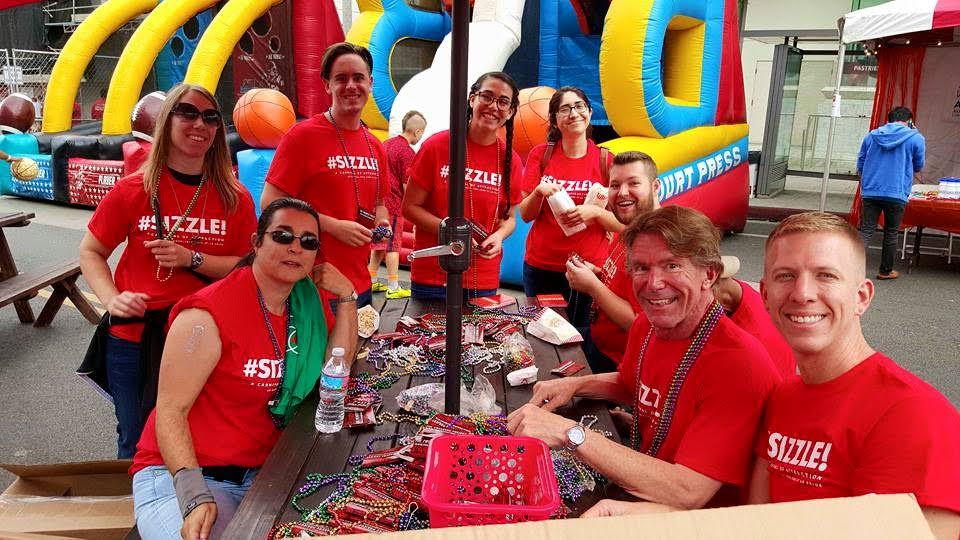
Darwin Rodriguez is a program manager at the Institute for Public Strategies and oversees the Safer WeHo Coalition in West Hollywood.